

Recently, I finished editing my latest 365 project video — one photograph a day, captured over the course of a year.
Watching it back always does something unexpected. Even though I lived those moments, seeing them strung together changes how I understand them. Patterns emerge. Feelings resurface. Small, forgettable days suddenly carry weight.
It becomes less about individual images, and more about identity.
Not who I thought I was in those moments — but who I actually was, day after day.
Some days are exciting. Some days are ordinary.
And most days, if we’re honest, sit quietly somewhere in between.
We rarely think about those days as meaningful — until we look back.
Family photographs are often talked about as memories, or keepsakes, or something “nice to have”. But I think they do something deeper than that…
Looking back to understand ourselves
When we look at old photographs, we’re not just seeing faces or clothes or houses we once lived in. We’re piecing together a story, we notice patterns. Who was always holding the baby. Who was missing from the frame. Where we gathered. What felt worth photographing.
Often, our understanding of our past doesn’t come from perfectly preserved memories, but from fragments — images that quietly say this is who we were at that time.
And sometimes, those photographs tell us things we didn’t consciously know.

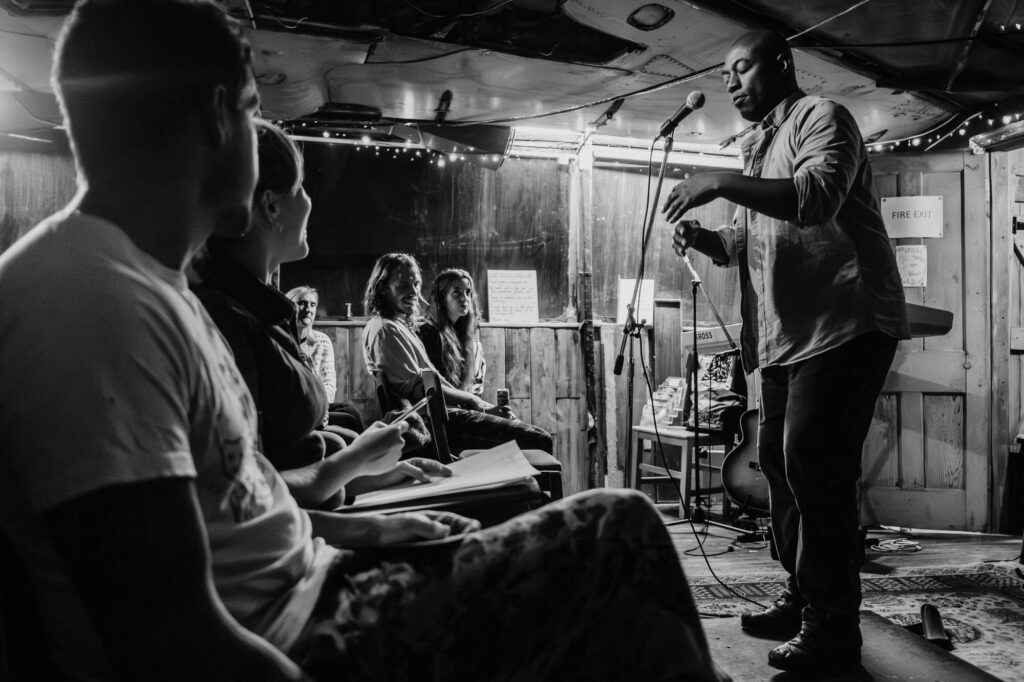
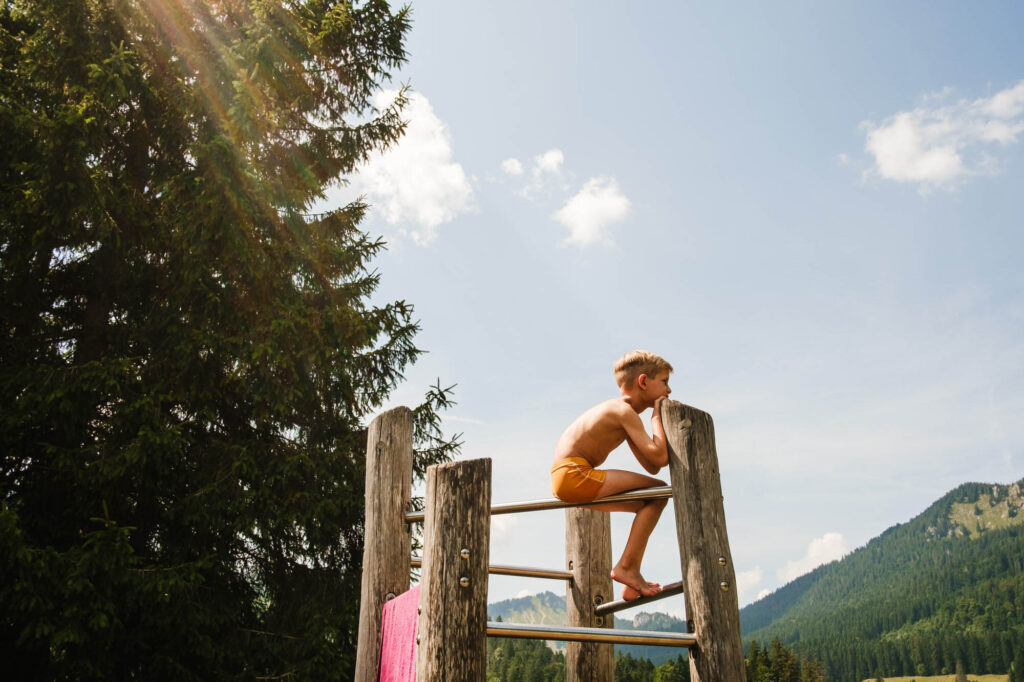
Photos as support for memory (because memory fades)
Memory is fragile. We can’t rely on them alone to understand life. Because our memory shifts, edits itself, and fills in gaps with feelings rather than facts.
We forget details first. Then whole chapters.
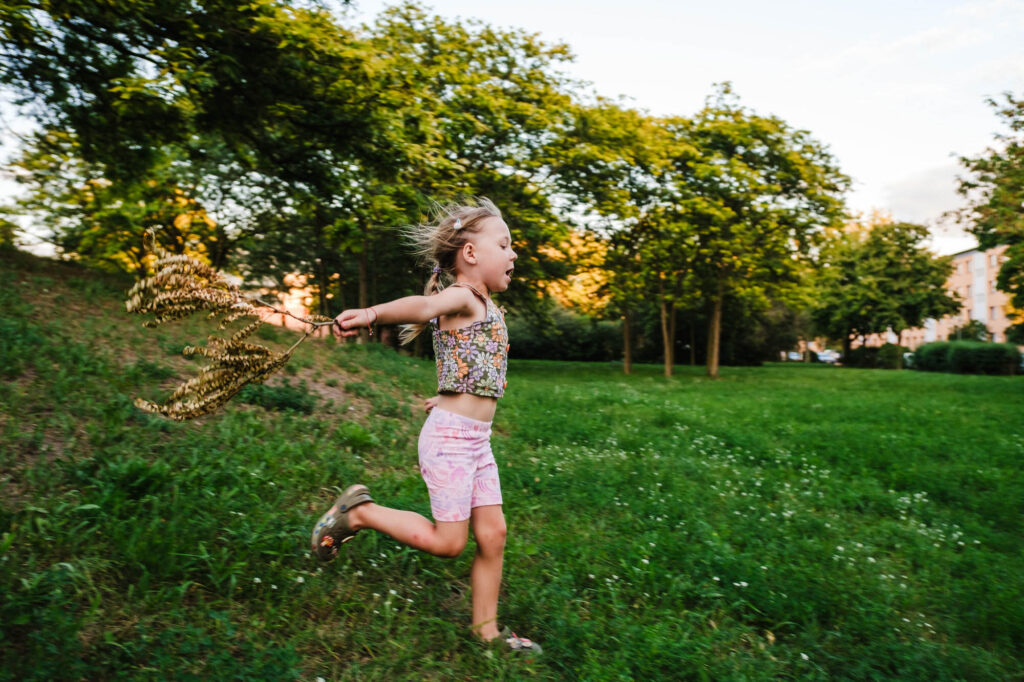
Photographs don’t remember things for us — but they support memory in a way nothing else quite does. They bring back textures, body language, the way someone stood or leaned or laughed. They remind us of connections, routines, rhythms of everyday life.
Not the highlight reel — but the truth of it.
And that’s where identity often lives: not in the big moments, but in the repeated, ordinary ones.


December: when past and present collide
December has a way of doing this. Families gather. Stories get retold. Old albums come out. Phones are passed around with “Do you remember this?” attached.
For many of us, it’s the time of year when we’re most consciously confronted with our own past — who we were as children, who our parents were then, how things have changed. Sometimes gently. Sometimes painfully.
Photos become a bridge between then and now.
They hold both joy and complexity. They remind us that identity isn’t fixed — it evolves.
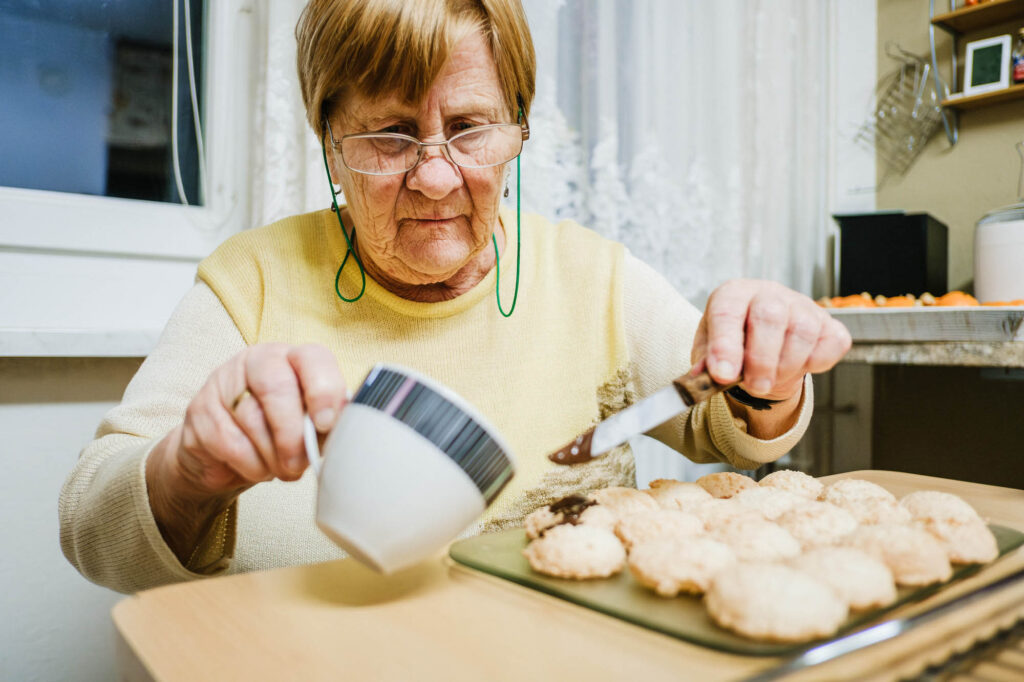
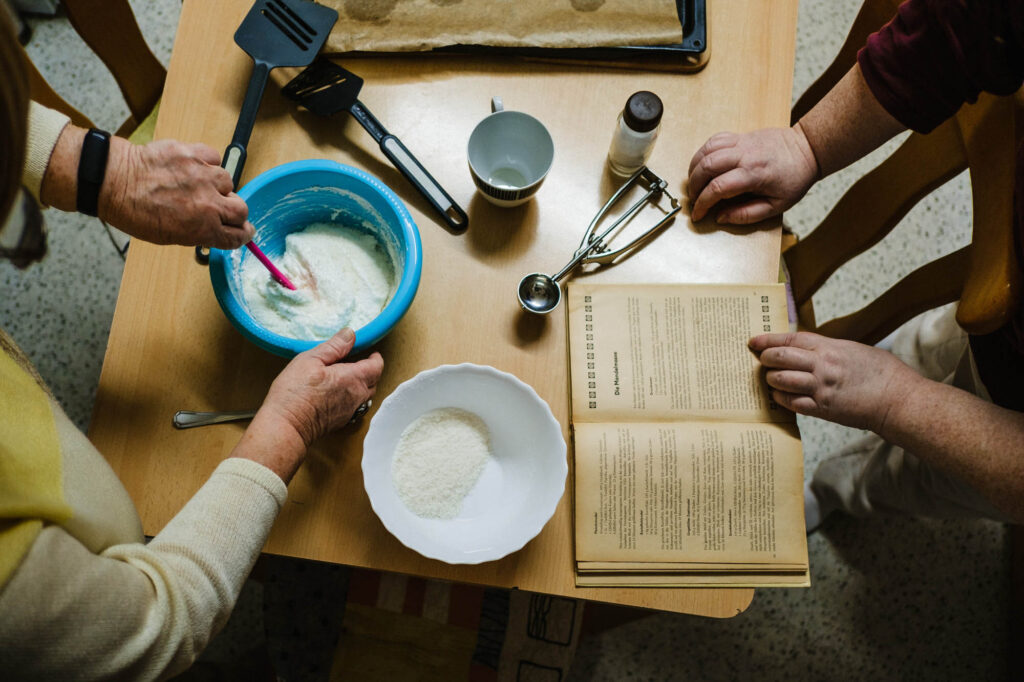
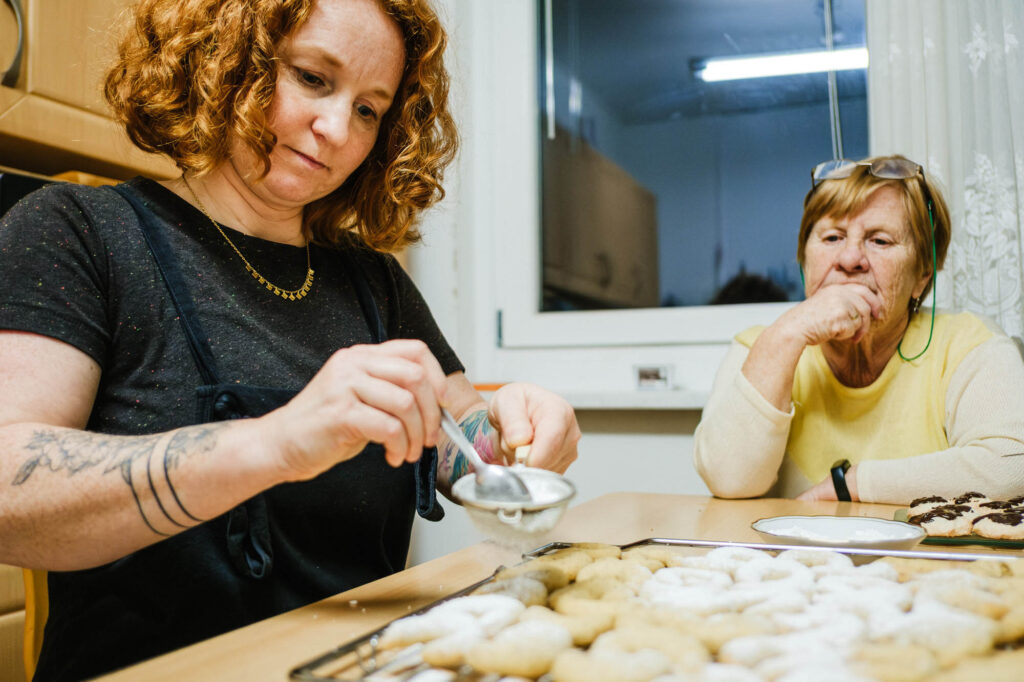
What we choose to photograph says a lot about us
One of the quieter truths about photography is this:
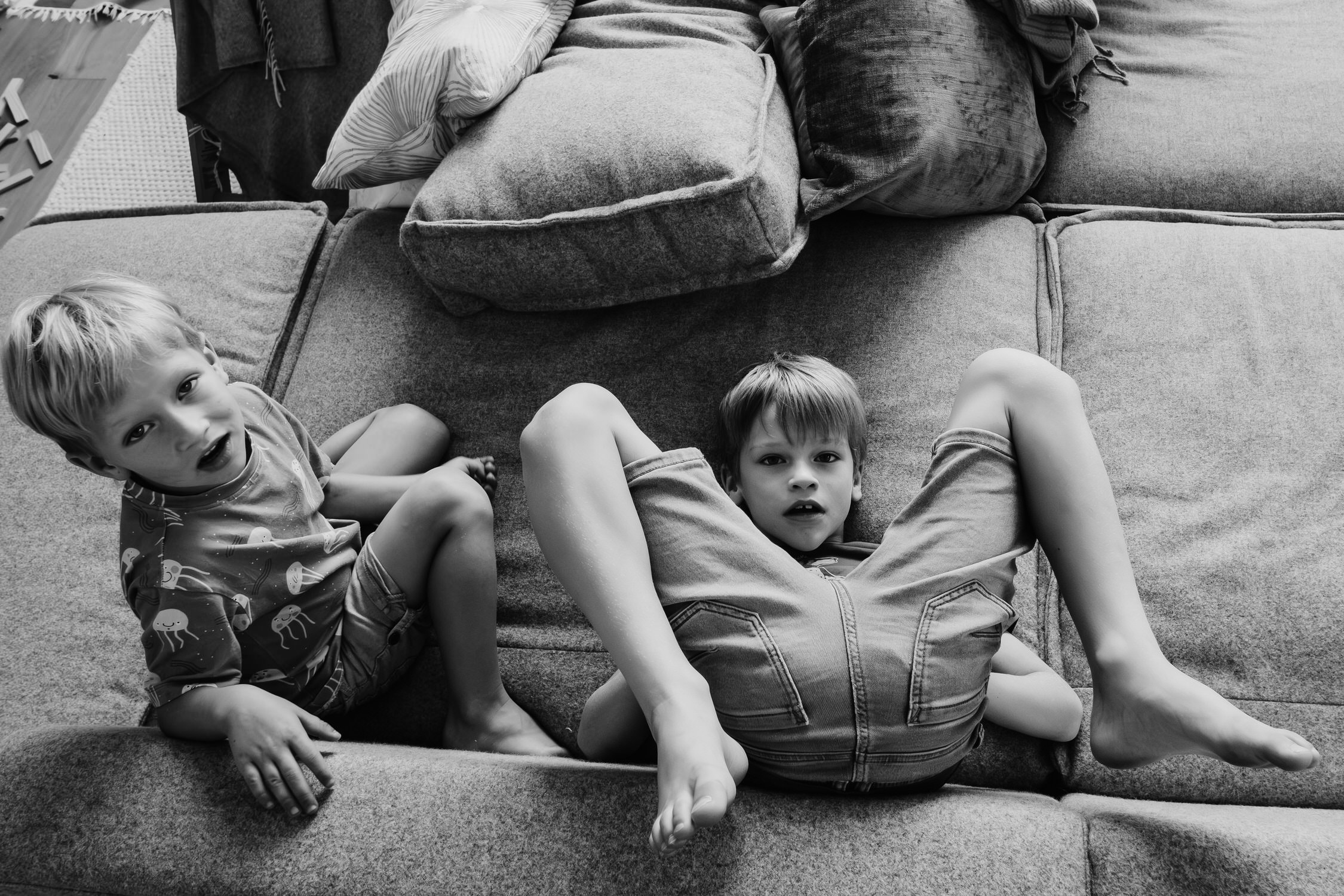
What we photograph reveals what we care about. We don’t just document birthdays and holidays. We document belonging. People. Places. The way life feels.
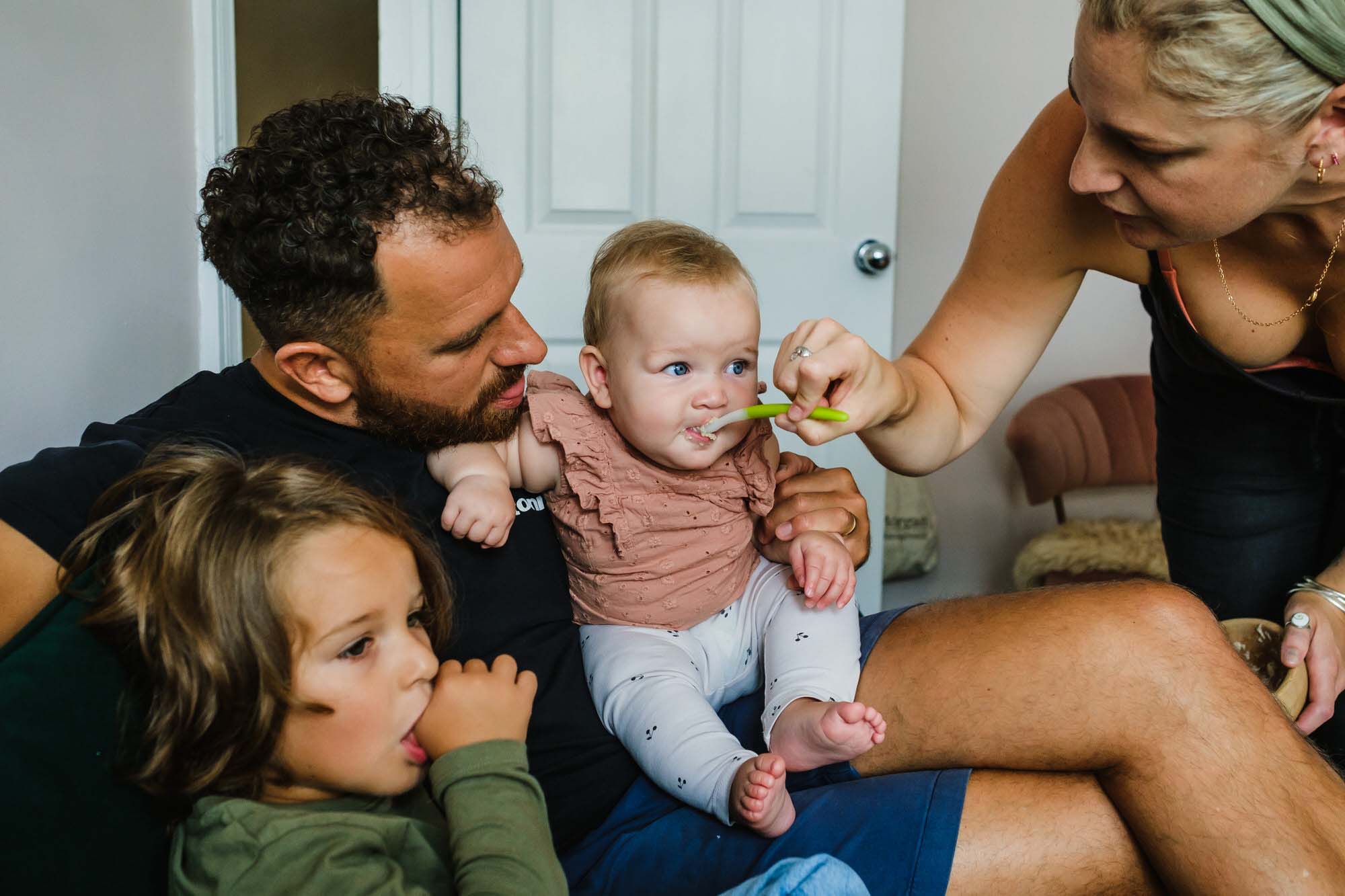
When families invest in photographs of their everyday life — not posed, not performative — they’re often doing something quite vulnerable. They’re saying: this mattered enough to remember, exactly as it was.
That’s powerful.
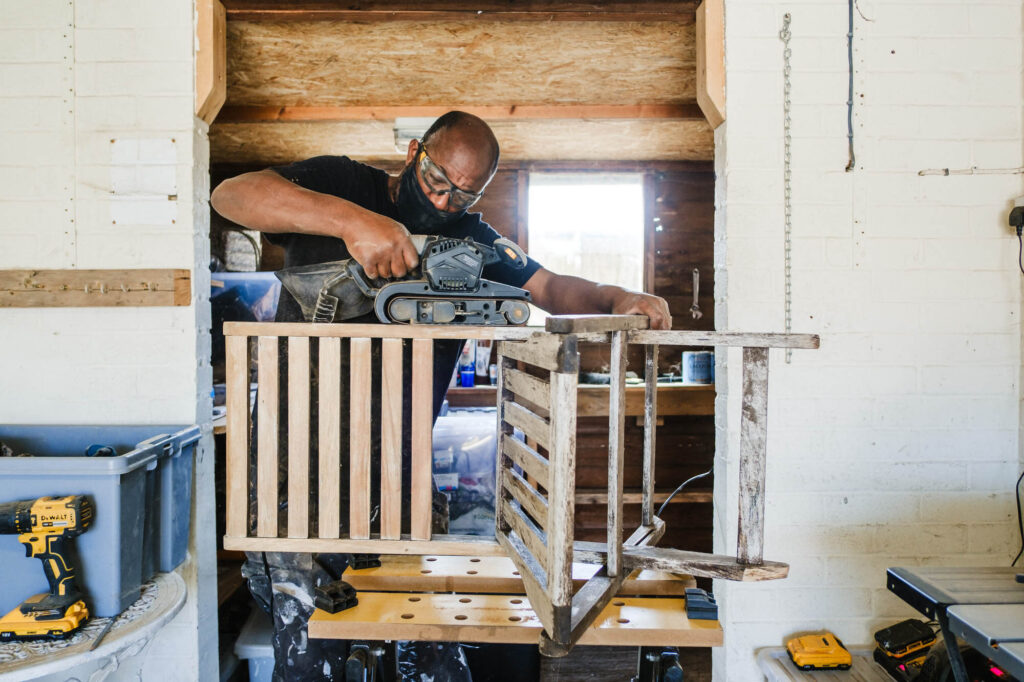
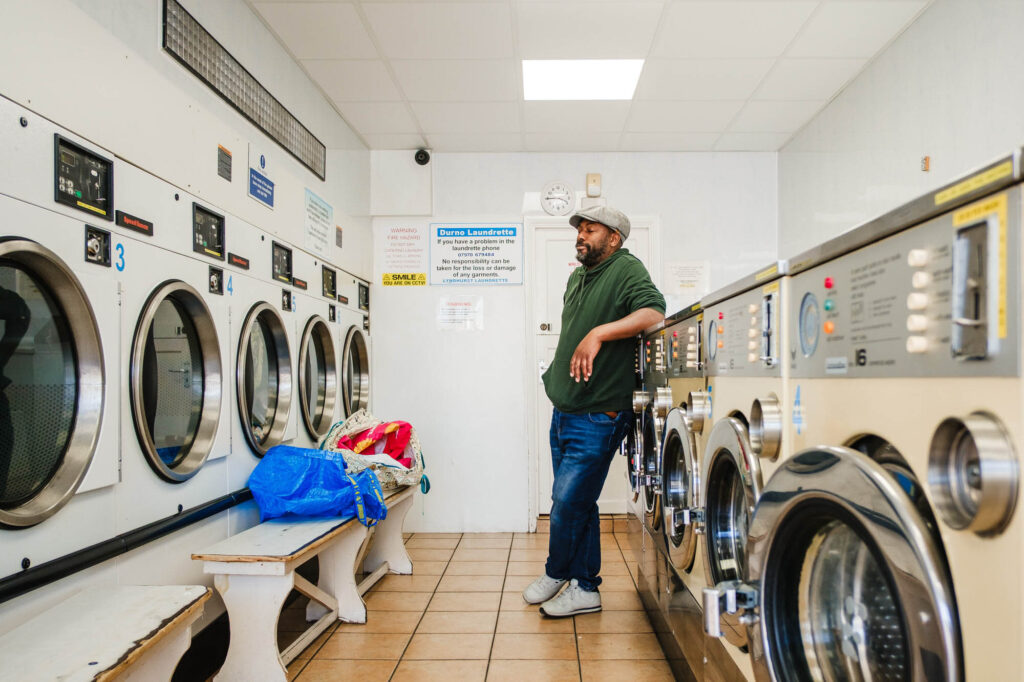
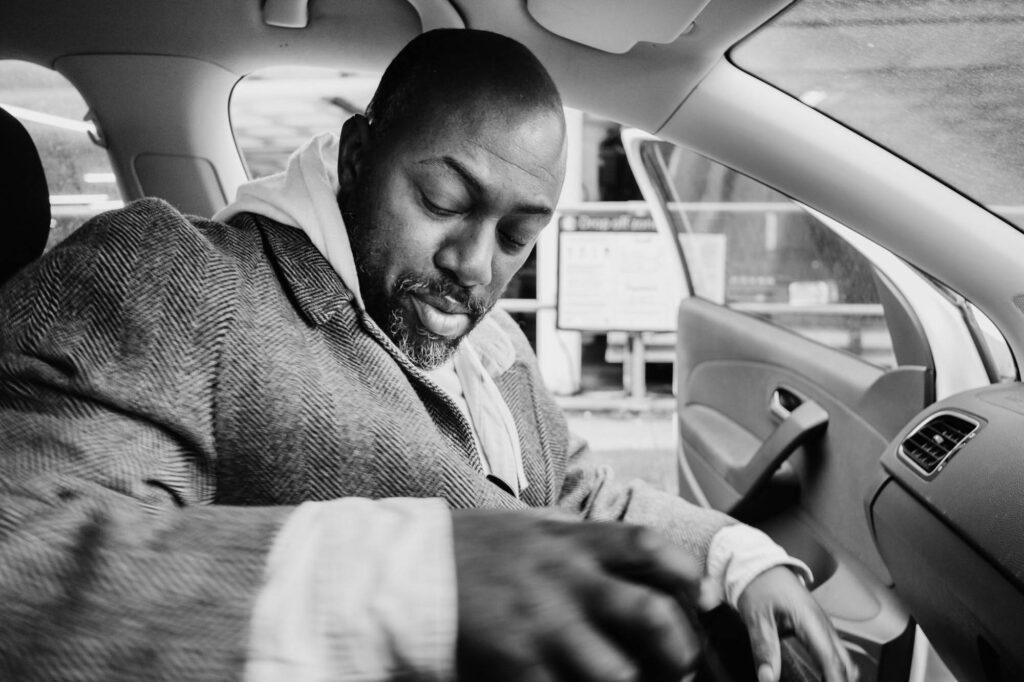
A future looking back on today
One day, the photos you have now will be the “old ones”. They’ll be looked at by children trying to understand who they were — and by adults trying to remember who they used to be.
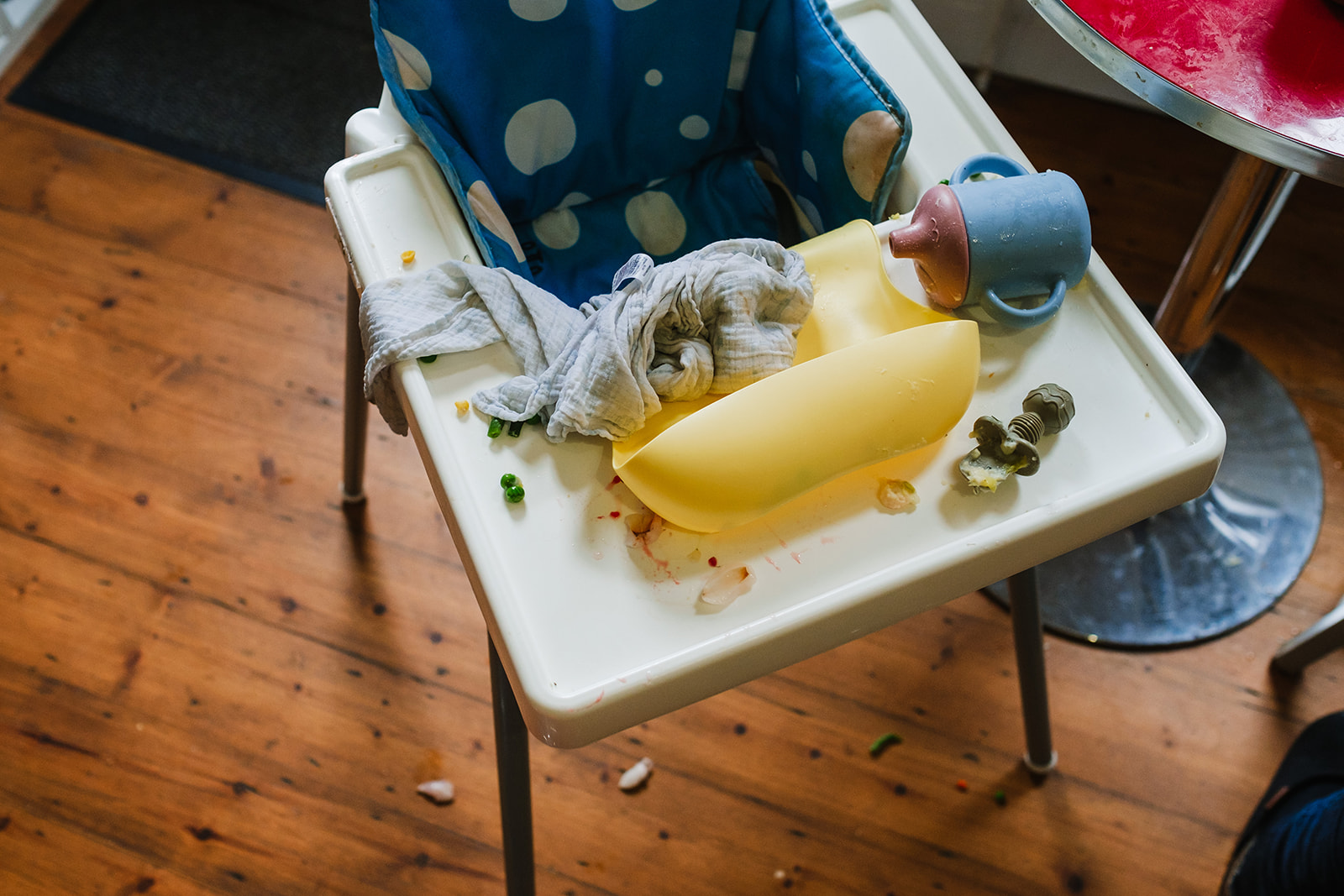
They won’t care if the house was tidy. They won’t care if everyone looked at the camera. They’ll care about the closeness, the connection, the story. That’s why I believe family photography isn’t about perfection.
It’s about identity, memory, and meaning.
And December, in all its reflection and intensity, is often when we finally feel that.
If you’ve found yourself looking back more lately — or thinking about what your family photographs might mean in the future — you’re not alone.
Documentary family photography exists for that reason: not to stage life, but to honour it as it is.