

If you’ve ever looked at the back of your camera and thought, “That’s not what I saw,” you’re not alone.
Or maybe you’ve spent hours watching YouTube tutorials, reading photography books, tweaking your settings, even investing in a better camera or another lens, hoping your images would finally match the ones you imagine in your head.
And yet… they still don’t.
I know that feeling because I’ve lived it.
There’s a wonderful concept by American writer and broadcaster Ira Glass called The Gap. He explains that when we begin any creative pursuit, we usually have good taste long before we have the skills to match it. We know what good work looks like. We recognise it instantly. But our own work falls frustratingly short.
Photography is no different. Most of us start by making photographs we absolutely love. That’s the beautiful naivety of being a beginner. We don’t yet know what we don’t know.
Then one day, we discover other photographers and suddenly our own images don’t feel quite as good anymore.That’s when the search begins: We buy books, we watch tutorials, we ask other photographers which settings they used, we save mood boards. And often, we convince ourselves that the missing piece is another piece of equipment.
I know, because I did exactly the same.
I thought better gear would make me a better photographer.
I got into photography in the early 2000s, just as digital cameras became accessible. For me, digital photography was revolutionary. Instead of waiting ages to see whether my finger was in the shot or not, I could instantly look at the back of my camera, try to understand what I’d done wrong and try again.
I was fascinated by the technical side of photography. Learning aperture, shutter speed and ISO felt like unlocking a secret language. Every new piece of knowledge gave me a little more control over the images I was creating and I loved it.
For a long time, I genuinely thought my photographs were great. Then I discovered online photography forums. For the first time, I was surrounded by photographers whose work stopped me in my tracks. That’s when I realised there was a gap between what I wanted my photographs to look like and what I was actually creating.
Naturally, I did what many photographers do: I bought more gear. More lenses, more accessories. And yes, technically, my photographs improved. The backgrounds became creamier (cause bokeh), images turned out sharper. Overall, the quality of my work became better. But something was still missing, although I couldn’t quite put my finger on it.
I was photographing how things looked.
I wasn’t yet photographing what they meant. I was searching for beautiful locations instead of meaningful moments. I was paying more attention to the backdrop than the expression on someone’s face. I didn’t notice awkward body language, disconnected relationships or the tiny gestures that reveal how people actually feel.
My photographs became technically stronger but they still lacked soul. At the time, I couldn’t have explained why.
Today, I can.
The camera wasn’t the problem.
My gear wasn’t the issue, the problem was that I hadn’t yet learned to see. Around the time I started my photography business, I bought the original Fujifilm X100.
Ironically, another camera became part of the story. I didn’t buy it because I thought it would take better photos but I hoped it would change the way I photograph. And it did.
It was small enough to take everywhere. It had a fixed 35mm lens, which meant I stopped thinking about which focal length to use. It wasn’t the camera I earned money with. It was the camera I carried because I wanted to.
Without realising it, I started photographing my own life again. Not for clients or a portfolio. Just for me. Those photographs weren’t trying to impress anyone, they were trying to preserve something: A walk, friends, family, holidays, just life.
And slowly, something shifted. The more I photographed everyday life, the more I realised that the photographs I cared about most weren’t necessarily the prettiest ones. They were the ones that meant something.
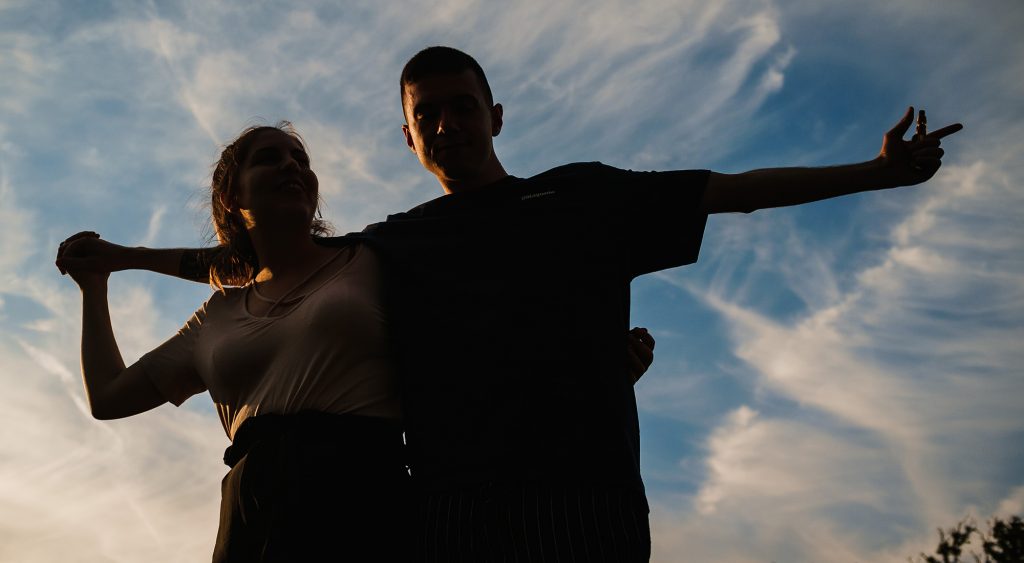

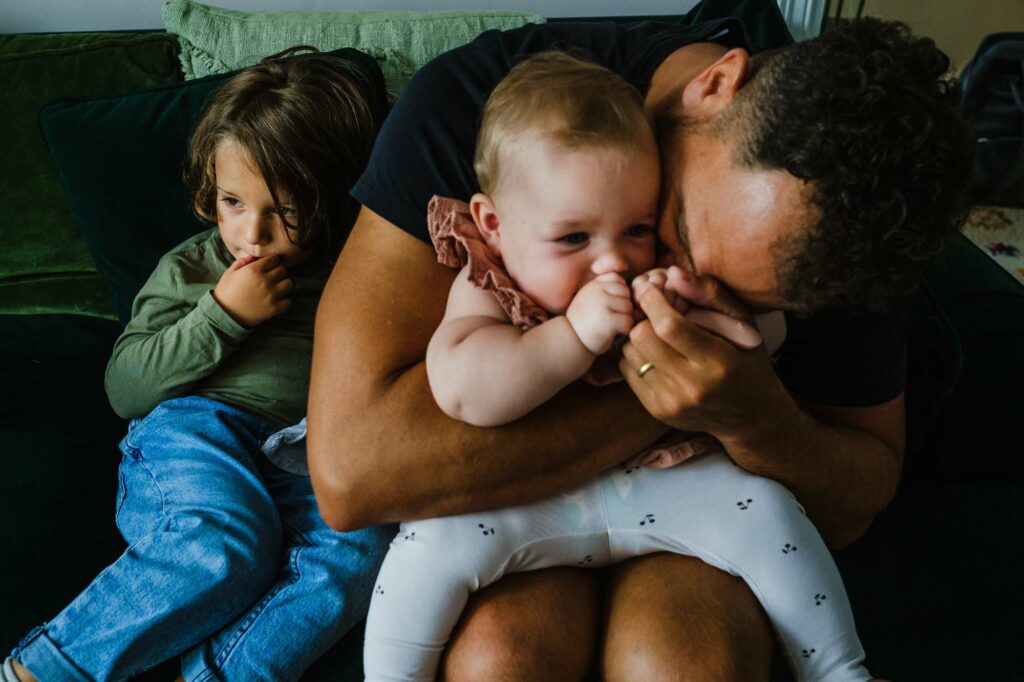
Meaning doesn’t come from the camera.
It comes from the person using it. In 2019, I started a Project 365, photographing my own life every single day. Looking back, I don’t think the project changed my photography because I took more photographs. It changed my photography because it forced me to pay attention. I photographed the same rooms in different light, the same people in different moods, the same routines over and over again.
I stopped looking for extraordinary moments. Instead, I started noticing the extraordinary within the ordinary.
That’s when photography stopped being about creating beautiful images, it became about recognising meaningful ones.
This doesn’t mean technical skill isn’t important.
Far from it, actually. Understanding your camera gives you freedom. Knowing how exposure works allows you to make intentional decisions. Learning light, composition and editing will absolutely improve your photography – because without them, you run the risk of just taking random snapshots.
But technical excellence and meaningful photography are not the same thing. A technically perfect photograph isn’t automatically meaningful. And a meaningful photograph doesn’t have to be technically perfect.
Some of the most important photographs you’ll ever take won’t be the sharpest. They won’t have perfect composition. Nobody else may even understand why they matter. But you will.
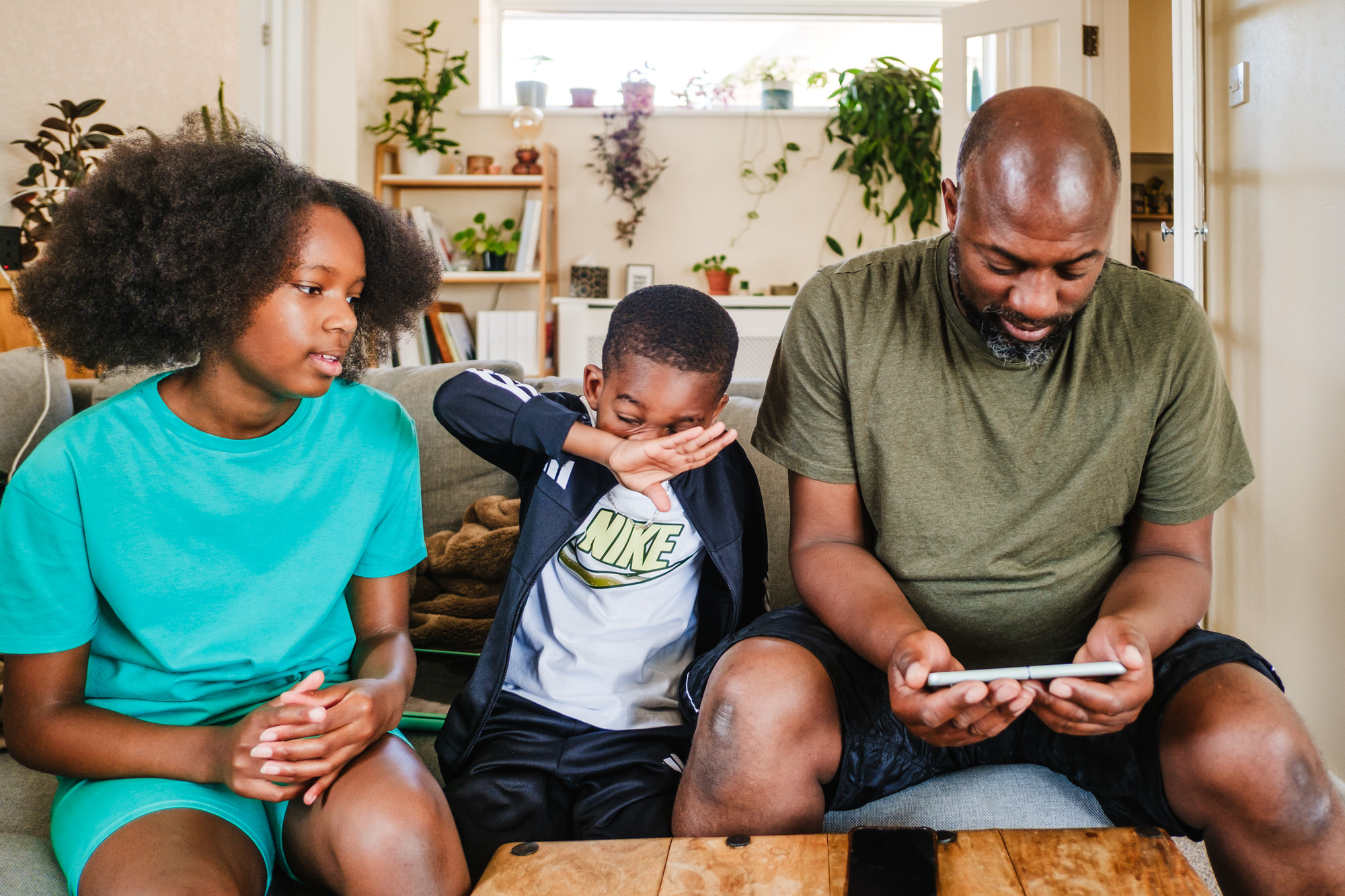
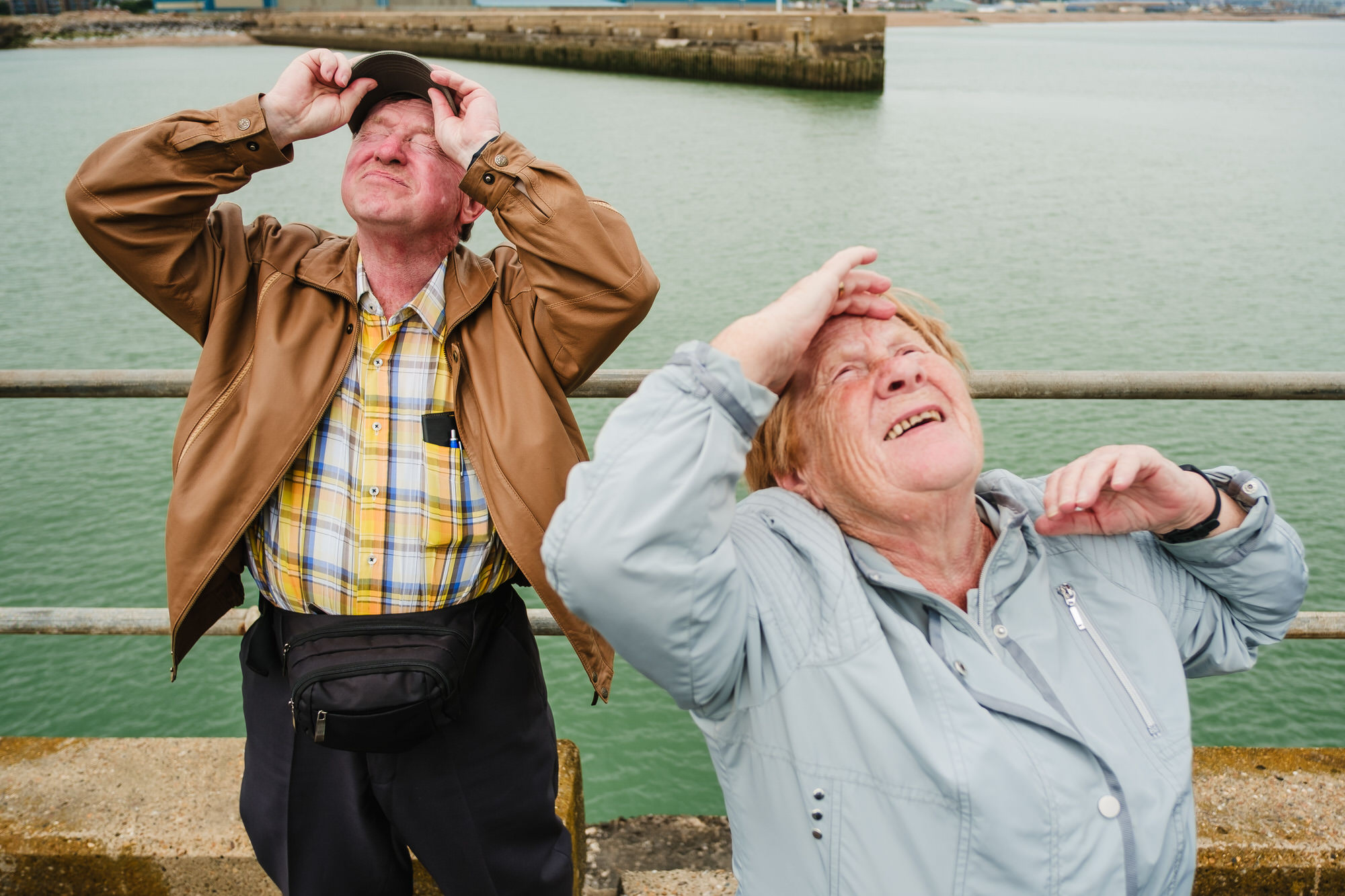
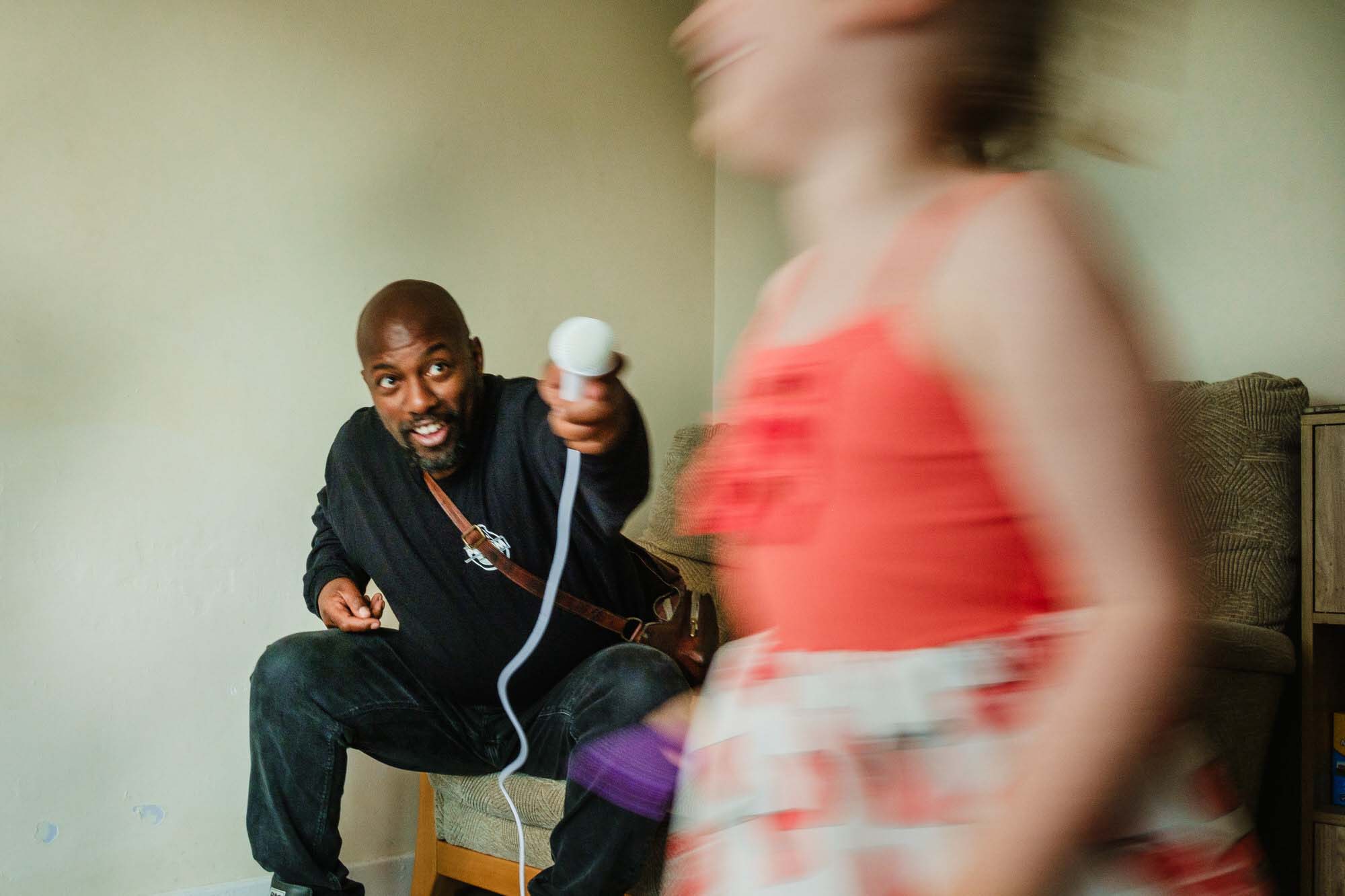
Today, I still love camera gear.
I still get excited about beautifully designed cameras, I still appreciate incredible lenses and I still enjoy learning about new technology. The difference is that my relationship with gear has changed. I’m no longer looking for equipment that will make me a better photographer, I’m looking for equipment that gets out of my way.
Because after twenty years behind a camera, I’ve learned that the most important piece of photography equipment isn’t the one in your hands. It’s the way you see the world.
Learning to see takes longer than buying another lens. It can’t be delivered in a YouTube tutorial or downloaded as a preset. But once it changes, every camera you ever own becomes more powerful. Because photography doesn’t begin with pressing the shutter, it begins with paying attention.
If this way of thinking resonates with you…
I’ve created a free five-day email challenge called See Like a Photographer.
It’s not a camera course and it’s not about gear. Instead, it’s five short emails designed to help you notice light, intention, connection and meaning in the photographs you make – whether you’re using a professional camera or simply the phone already in your pocket.
And if you’re looking for more personalised guidance, I also offer one-to-one mentoring, portfolio critiques and in-person workshops for photographers who want to move beyond the technical and create work that feels genuinely meaningful. You can find more info about that here.
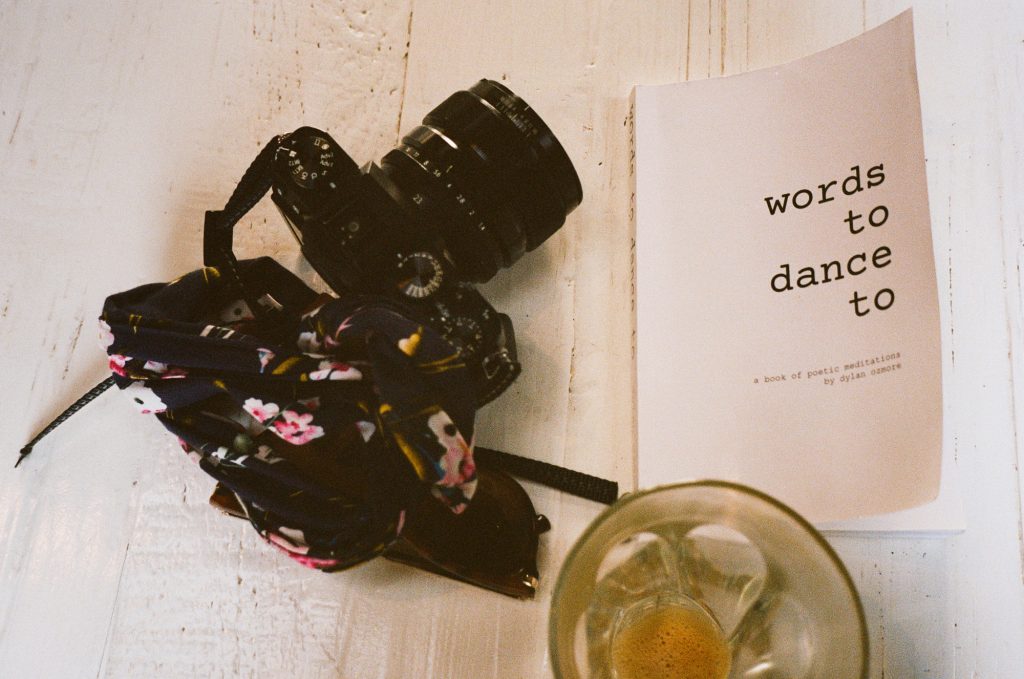
See Like a Photographer
A 5-day email challenge to help you notice more, photograph with intention and create images that matter. Document the life you’re living — one photo, one moment, one day at a time.
Sign up to my emails to receive this mini course to improve your photography straight to your inbox.